
Artisan Pizza Dough — Crispy, Chewy, Bubbly Crust

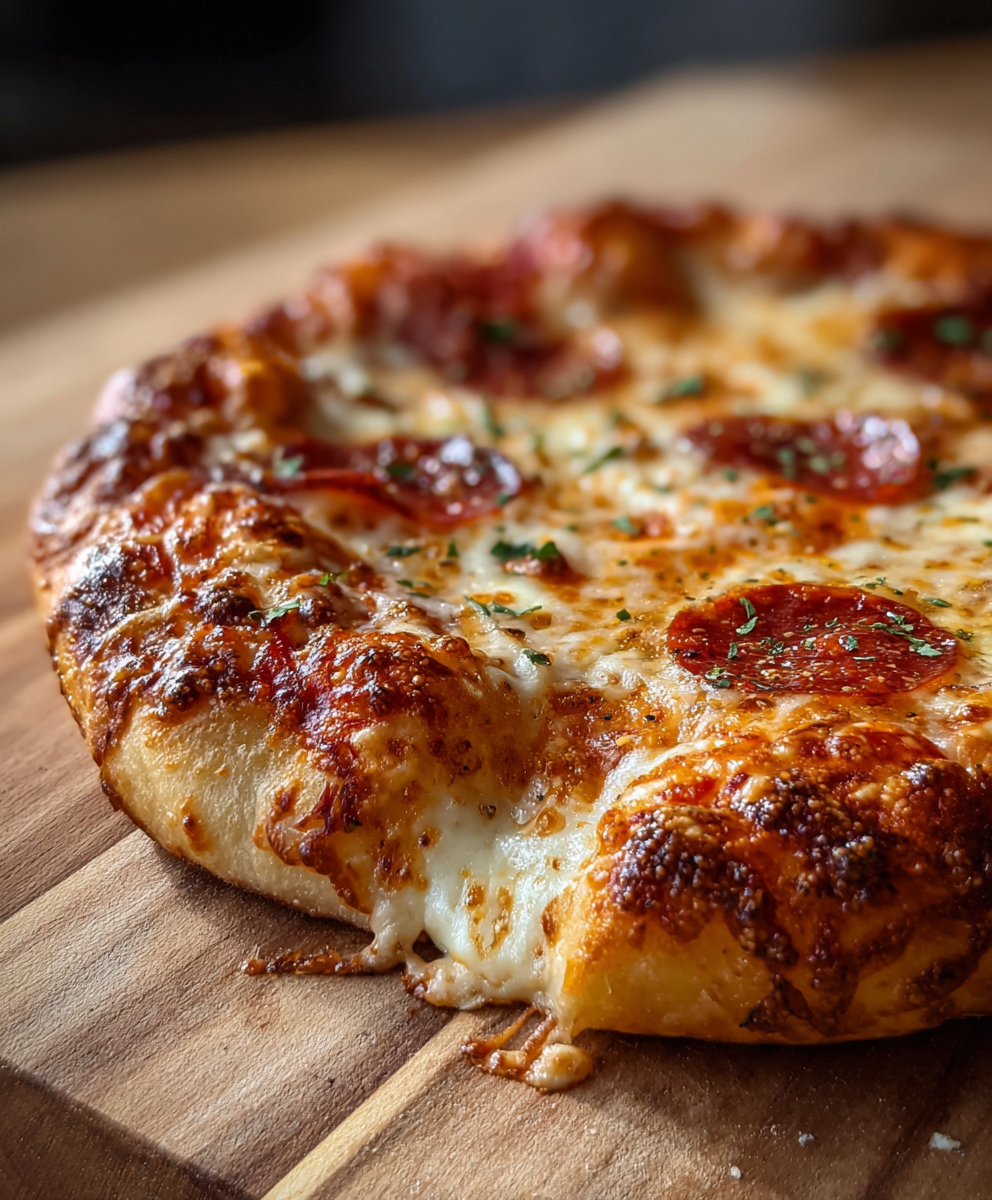
A dependable artisan dough that yields a golden, blistered crust with crisp edges, a chewy interior and big bubbly oven spring — perfect for home ovens or high-heat baking stones.
Why You'll Love This Recipe
- Produces a crisp outer crust with a tender, chewy interior and large, glossy bubbles ideal for Neapolitan-style pies.
- Flexible timing: ready in about 2 hours for same-day baking or improves dramatically after 8 to 48 hours of cold fermentation.
- Uses pantry staples—bread flour, yeast, salt, water and olive oil—so you can make it any time without specialty imports.
- High hydration and a light knead technique create an airy crumb while still being manageable on a floured board.
- Works on a baking stone, steel, or in a very hot oven; great for individual pizzas or a couple of larger pies.
- Scales easily: double or halve the quantities to match your household and freezer storage for make-ahead dough balls.
In my kitchen this dough became a favorite because it forgives imperfect stretching and rewards gentle handling. One holiday I made dozens of small pies and the dough held up beautifully under a variety of toppings, from simple tomato and basil to heavier roasted vegetables. The texture always impressed neighbors who thought I’d bought it from a bakery.
Ingredients
- Bread flour, 4 cups (500 g / about 17.6 oz): Choose a high-protein flour for excellent gluten development and chew. I like King Arthur or similar unbleached bread flours; they create better structure and a blistered crust.
- Salt, 1 1/2 teaspoons: Use fine sea salt or kosher salt measured by weight when possible. Salt strengthens gluten and enhances the dough's flavor; do not add more than the recipe specifies.
- Instant dry yeast, 1 1/2 teaspoons: I use rapid-rise or instant yeast sprinkled directly into water; it wakes up quickly and gives consistent rise. Active dry yeast can be used but proof it first.
- Warm water, 1 1/2 cups (360 ml / about 12 fl oz): Target around 105°F to 110°F (40°C to 43°C). Too hot will kill the yeast, too cool will delay fermentation. Use a thermometer for accuracy.
- Olive oil, 2 tablespoons: Extra-virgin is fine for flavor, but a neutral light olive oil also works. Oil adds extensibility and helps the crust brown and crisp.
- Optional: sugar or honey, 1 teaspoon: A pinch of sweetness speeds yeast activation and adds mild caramelization to the crust. Use only if you like a touch of sweetness.
Instructions
Activate the yeast: In a large mixing bowl, pour 1 1/2 cups warm water (about 105°F). Stir in 1 teaspoon sugar or honey if using. Sprinkle 1 1/2 teaspoons instant dry yeast over the surface and let sit for 5 to 10 minutes until foamy. Look for a creamy cap — if nothing happens after 10 minutes, the yeast may be old and should be replaced. Mix dry and wet ingredients: Add 4 cups bread flour and 1 1/2 teaspoons salt to the bowl with the yeast. Pour in 2 tablespoons olive oil. Use a wooden spoon or your hand to incorporate until a shaggy dough forms. The dough will be slightly sticky but should come together into a rough ball. Knead to develop gluten: Turn the dough onto a lightly floured surface and knead for 8 to 10 minutes. Use the heel of your hand to push the dough away, fold it, then rotate. A well-kneaded dough will be smooth, elastic and slightly tacky. If it tears easily, knead a bit longer; if it sticks to the bench, dust with small amounts of flour. First rise: Grease a clean bowl with a little olive oil and place the dough inside, turning once so all sides are coated. Cover with plastic wrap or a damp towel and let rise 1 to 2 hours at room temperature until doubled. For deeper flavor and better crust, refrigerate for 8 to 48 hours for cold fermentation — the dough will slowly rise and develop complex aromas. Portion and rest: Punch down the dough gently to deflate. Divide into 2 large or 3 to 4 medium portions depending on pizza size. Form each portion into a tight ball and let rest, covered, for 15 to 20 minutes. Resting relaxes the gluten and makes stretching easier. Stretch and shape: On a well-floured surface, press the center of a ball outward with your fingertips, leaving a slightly thicker rim for the crust. Use gravity and gentle hand turns to stretch to your desired diameter — avoid overworking which will knock out air and make the crust dense. Preheat oven and bake: Place a pizza stone or steel in the oven and preheat to the highest setting, usually 500°F to 550°F, for at least 45 minutes. Slide the topped pizza onto the hot surface and bake 8 to 12 minutes until the crust is golden, blistered and bubbly. Watch closely — high heat acts fast. Rest and serve: Remove pizza from the oven and let rest 2 to 3 minutes before slicing. This brief rest helps the cheese set slightly and prevents the crust from becoming gummy when cut.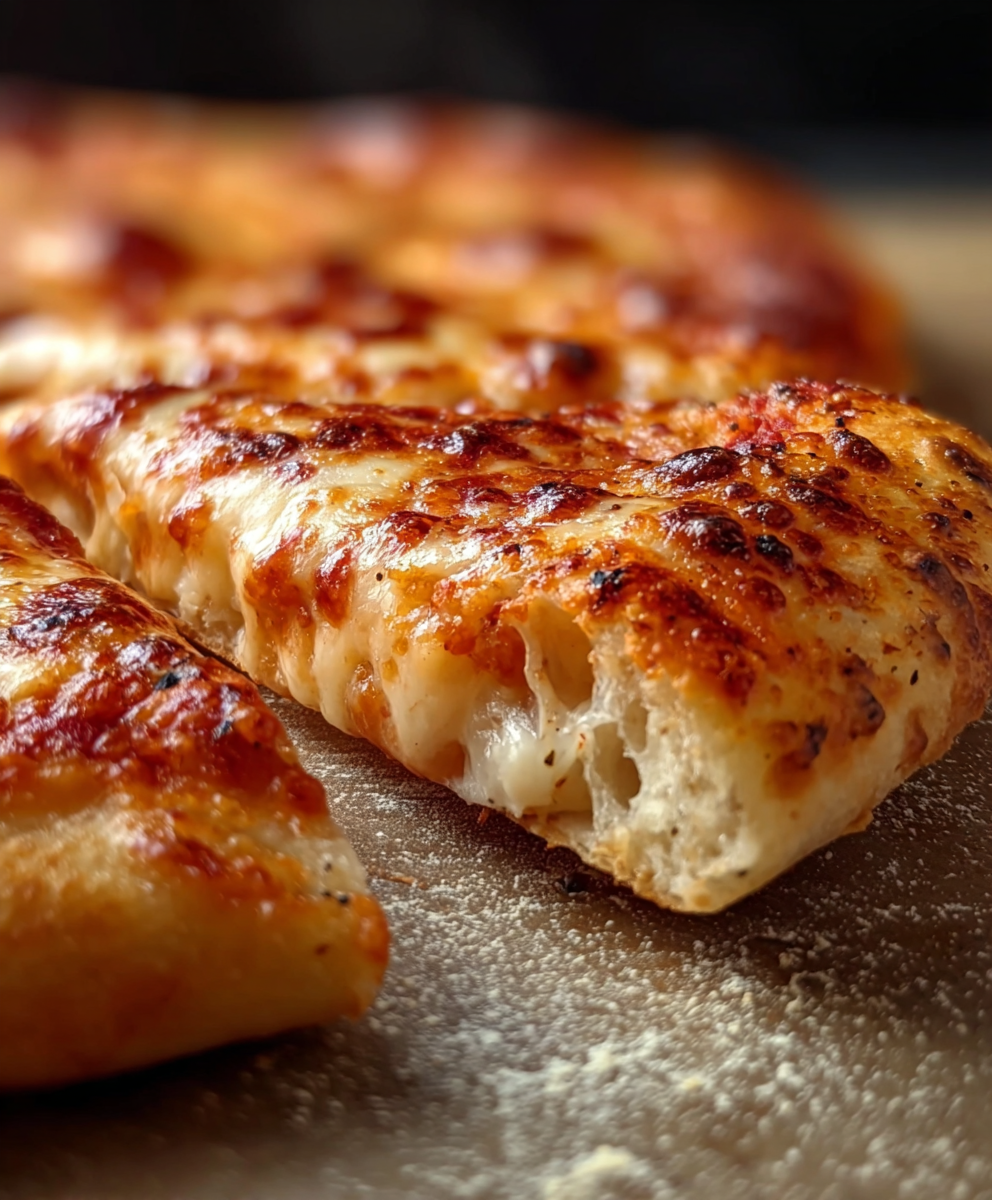
You Must Know
- This dough freezes exceptionally well for up to 3 months when portioned into oiled balls and sealed airtight; thaw overnight in the refrigerator before use.
- Cold fermentation enhances flavor and structure: the longer the dough ferments (up to 48 hours), the more complex the taste and the easier the dough is to stretch.
- High oven temperature is essential for blistering; if you don’t have a stone, use a heavy baking sheet preheated upside down to simulate direct heat.
- The recipe is high in carbohydrates and not gluten-free; it contains wheat and yeast and is dairy-free as written unless you add cheese as a topping.
My favorite thing about this dough is how reliably it produces those glossy bubbles after a hot bake. Once, during a summer party, I forgot to proof one batch long enough and still ended up with a lighter-than-expected crust after a longer, slower bake — proof that gentle heat and good flour can save the day. Friends always ask for the secret and I tell them patience and a hot oven are everything.

Storage Tips
Store portioned dough balls in a light coating of oil inside airtight containers or heavy-duty zip bags. In the refrigerator, use within 48 hours for best flavor, though the dough will keep up to 72 hours if tightly sealed. For longer storage, freeze for up to 3 months; thaw slowly in the refrigerator overnight and bring to room temperature before shaping. Bake-offs can be cooled, wrapped and refrigerated for 2 days, then reheated in a very hot oven for 4 to 6 minutes to refresh the crust. Look for a fresh yeasty aroma and elasticity as quality indicators.
Ingredient Substitutions
If bread flour is unavailable, use all-purpose flour plus 2 tablespoons vital wheat gluten per 4 cups to approximate protein content and chew. For a lower-gluten option, substitute half bread flour with all-purpose but expect slightly less oven spring. Swap instant yeast for active dry yeast but dissolve it in the warm water first and allow a 10-minute bloom. Replace olive oil with melted butter for a richer flavor, though the crust will brown differently. If you wish to avoid refined sugar, use maple syrup or omit the optional sweetener entirely — fermentation will be slightly slower without it.

Serving Suggestions
Serve the pie sliced thin for a classic pizzeria feel or in wedges for a rustic presentation. Complement the crisp-chewy crust with a light tomato sauce, fresh mozzarella, and a few basil leaves for a Margherita mirror. For heartier toppings, par-bake the dough for 3 to 4 minutes before adding heavier ingredients to prevent sogginess. Garnish with a drizzle of extra-virgin olive oil, a sprinkle of flaky sea salt, or a handful of arugula. Pair with a simple salad or roasted vegetables and a medium-bodied red wine for an easy dinner party menu.
Cultural Background
The technique draws inspiration from traditional Italian pizza-making where high hydration and short, intense baking create a crisp exterior with a tender interior. Neapolitan bakers use very high heat and carefully fermented dough to achieve characteristic leopard spotting and airy bubbles. This home-friendly approach adapts those principles — longer fermentation for flavor, bread flour for structure, and a hot stone for oven spring — while keeping the process approachable for cooks without commercial ovens.
Seasonal Adaptations
Adjust toppings to the season: in spring and summer choose fresh tomatoes, basil and light cheeses; in fall and winter favor roasted squash, caramelized onions and sage with a scatter of fontina. Cold fermentation works well year-round, but in warm weather shorten room-temperature rises to avoid overproofing. For holiday feeding, scale up and pre-shape dough into balls, then freeze half for later — this keeps your workload manageable while still delivering fresh-baked results on the big day.
Meal Prep Tips
Make multiple dough balls on a Sunday and freeze individual portions so you can pull out one for dinner with minimal fuss. Par-bake crusts for 3 minutes and cool before stacking with parchment between layers for quick midweek meals; finish with toppings and a final 6 to 8-minute bake. Use shallow plastic containers or resealable bags to keep dough from drying out. Label with dates and the number of portions to rotate properly. Rest thawed dough to room temperature for at least 30 to 60 minutes before shaping to make stretching effortless.
Cooking is about rhythm as much as ingredients. This dough rewards patience and gives generous, repeatable results whether you bake once a week or every night. Take your time with fermentation, use heat to your advantage, and enjoy the ritual of shaping and sharing. I hope this becomes your go-to base for countless memorable pizzas at home.
Pro Tips
Weigh flour for consistency or spoon and level cups to avoid dense dough.
Preheat a pizza stone or steel for at least 45 minutes at maximum oven temperature for best oven spring.
Allow cold-fermented dough to come to room temperature before shaping so it stretches easily.
Use a bench scraper to handle sticky dough instead of adding too much flour which can make crust dry.
For extra blistering, finish with a quick blast from a broiler for 30 to 60 seconds but watch carefully.
This nourishing artisan pizza dough — crispy, chewy, bubbly crust recipe is sure to be a staple in your kitchen. Enjoy every moist, high protein slice — it is perfect for breakfast or as a wholesome snack any time.
FAQs about Recipes
Can I freeze the dough?
Yes. You can freeze portioned dough balls for up to 3 months. Thaw overnight in the refrigerator and bring to room temperature before shaping.
What oven temperature should I use?
Aim for 500°F to 550°F in a home oven with a preheated stone or steel. Preheat for at least 45 minutes to get the surface very hot.
Why does the dough tear when I stretch it?
If the dough tears while stretching, let it rest 10 minutes to relax the gluten. Use a little flour under the dough and stretch gently using gravity.
Tags
Artisan Pizza Dough — Crispy, Chewy, Bubbly Crust
This Artisan Pizza Dough — Crispy, Chewy, Bubbly Crust recipe makes perfectly juicy, tender, and flavorful steak every time! Serve with potatoes and a side salad for an unforgettable dinner in under 30 minutes.
Ingredients
Dough
Instructions
Activate the yeast
Combine warm water and optional sugar or honey, sprinkle yeast on top and wait 5 to 10 minutes until foamy. If no foam appears, replace the yeast.
Mix ingredients
Add bread flour, salt and olive oil to the bowl and mix until a shaggy dough forms. Incorporate thoroughly so no dry pockets remain.
Knead
Transfer to a floured surface and knead for 8 to 10 minutes until the dough is smooth, elastic and slightly tacky.
First rise or cold fermentation
Place dough in an oiled bowl, cover and let rise 1 to 2 hours at room temperature or refrigerate 8 to 48 hours for improved flavor.
Portion and rest
Punch down, divide into portions and form tight balls. Let rest 15 to 20 minutes to relax the gluten before shaping.
Shape and bake
Preheat oven with stone or steel to highest temperature. Stretch dough, add toppings and bake 8 to 12 minutes until golden and bubbly.
Last Step: Please leave a rating and comment letting us know how you liked this recipe! This helps our business to thrive and continue providing free, high-quality recipes for you.
Nutrition
Did You Make This?
Leave a comment & rating below or tag
@solushcooks on social media!
Categories:
You might also like...
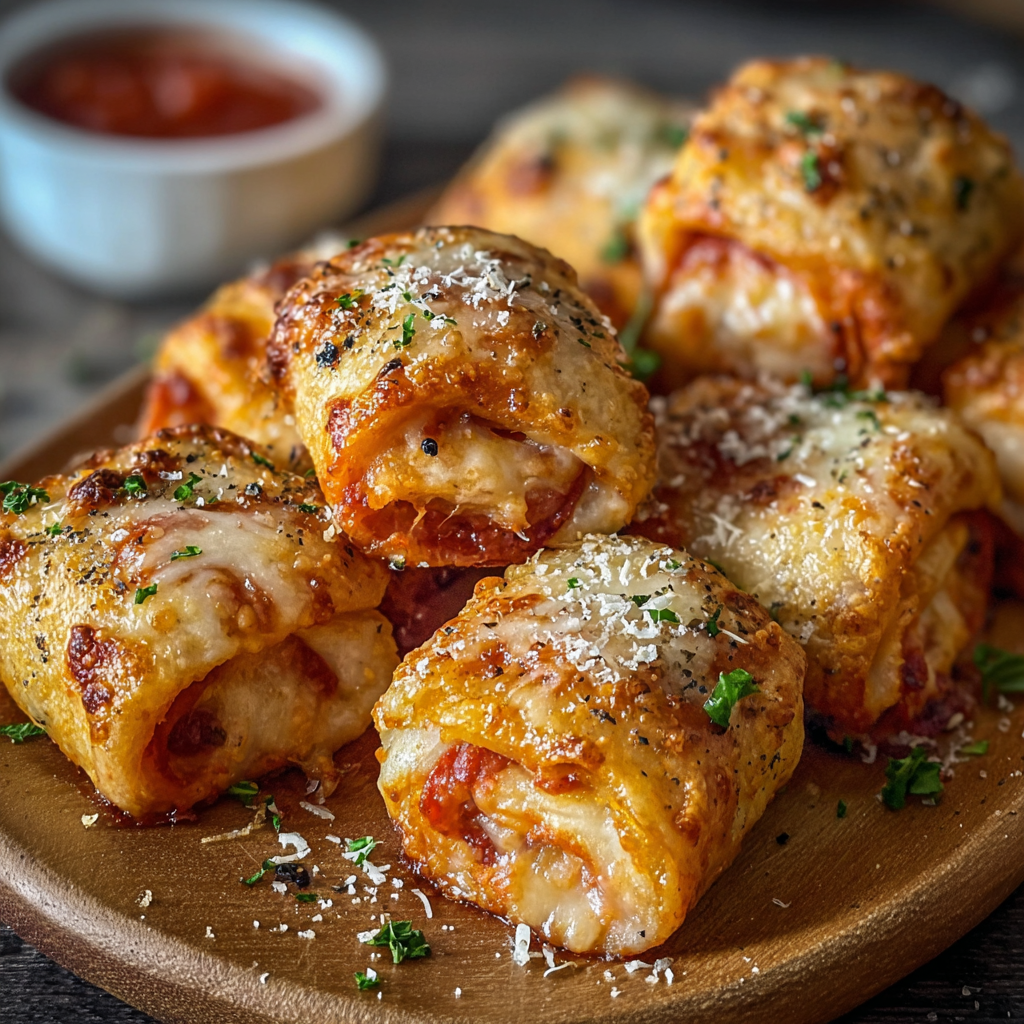
Air-Fried Pizza Rolls
Crispy, golden pockets of melted mozzarella and pepperoni made in the air fryer for a quick party snack or weeknight treat.

Air-Fried Rice Paper Noodle Rolls
Crispy, light rice paper rolls filled with vermicelli, vegetables and tofu or shrimp, finished in the air fryer for a healthy, snackable treat.
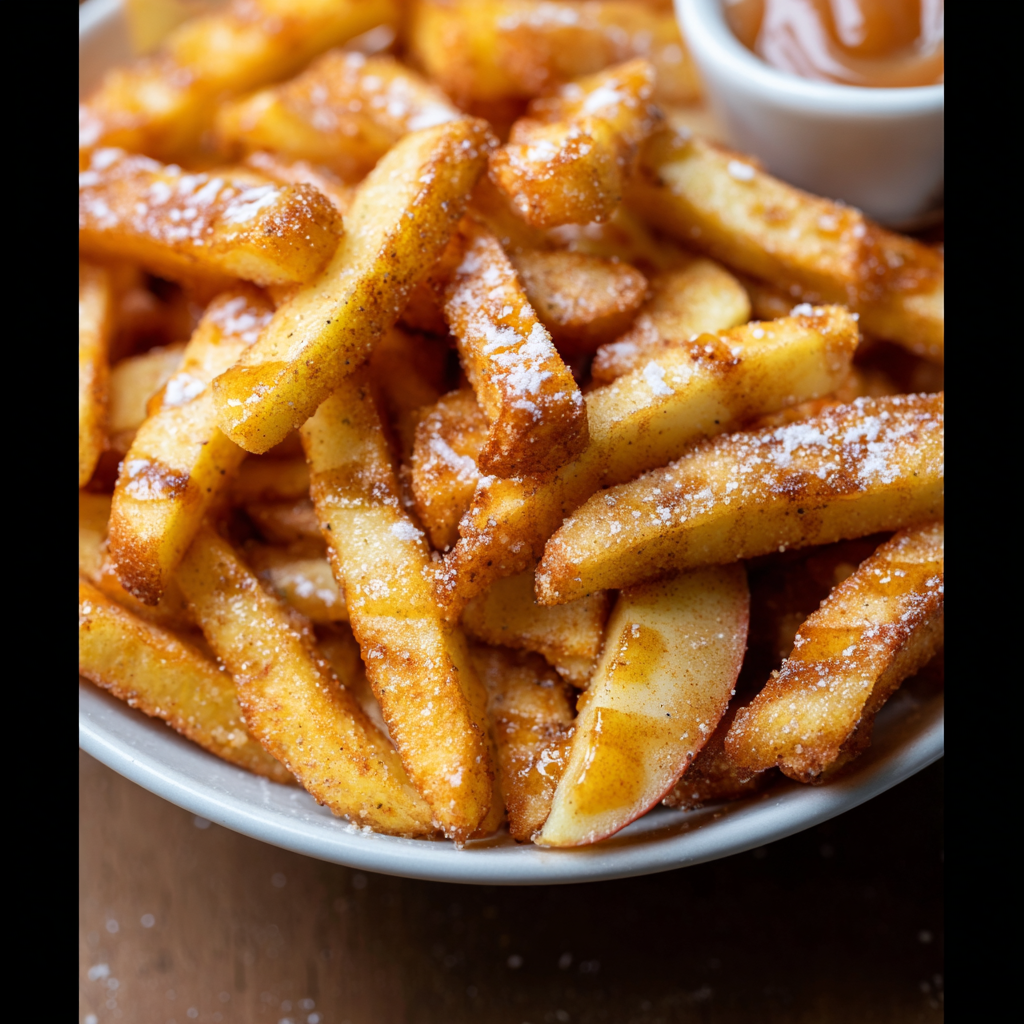
Air Fryer Apple Fries
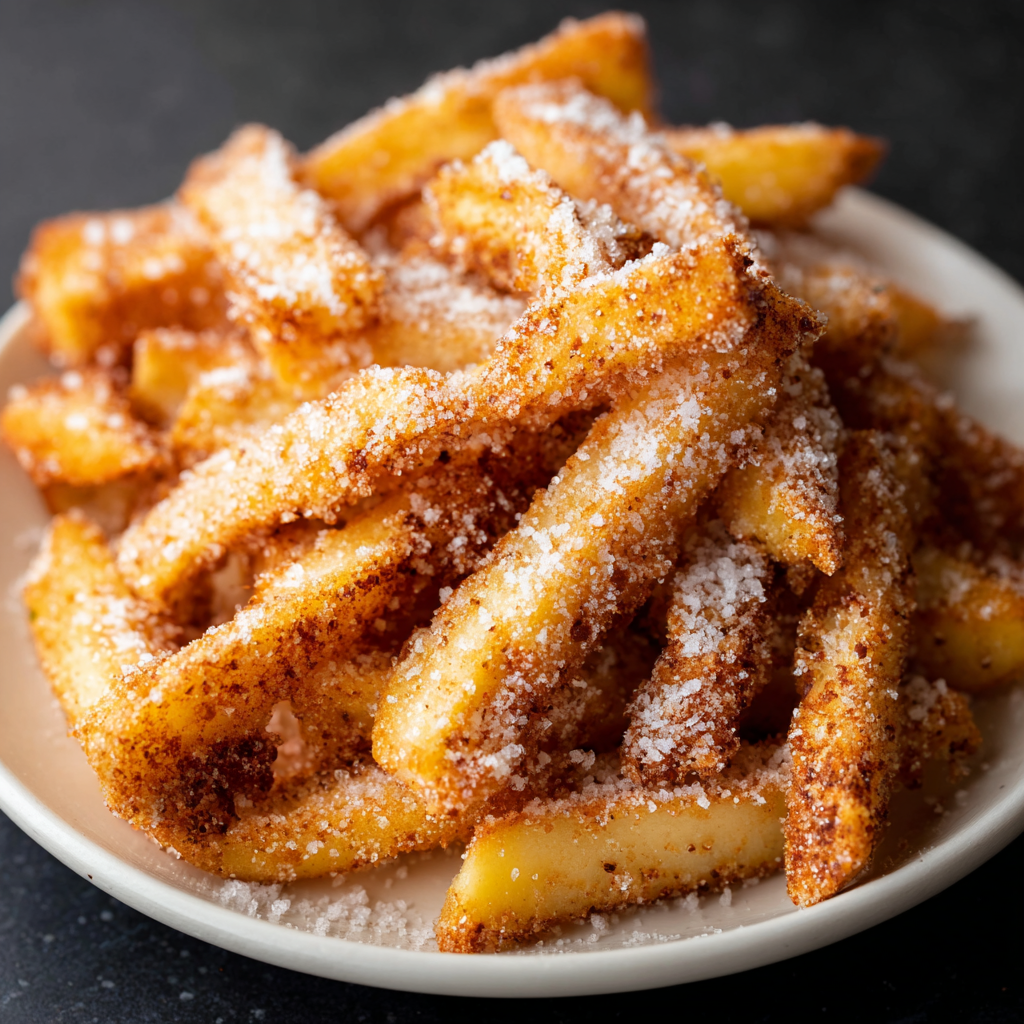
Crispy, cinnamon-sugar coated apple fries made in the air fryer — a quick, family-friendly snack or dessert ready in under 30 minutes.
Did You Make This?
Leave a comment & rating below or tag @solushcooks on social media!
Rate This Recipe
Share This Recipe
Enjoyed this recipe? Share it with friends and family, and don't forget to leave a review!
Comments (1)
This recipe looks amazing! Can't wait to try it.
Comments are stored locally in your browser. Server comments are displayed alongside your local comments.

Hi, I'm Lena!
What's Popular
30-Minute Meals!
Join to receive our email series which contains a round-up of some of our quick and easy family favorite recipes.