>>

A rich, flaky loaf that captures the layered, buttery magic of croissants in a pull-apart bread perfect for breakfast, brunch, or an indulgent snack.

This buttery croissant bread began as a weekend experiment and quickly became our household show-stopper. I discovered the idea while trying to combine the irresistible layers of a croissant with the comforting shape of a loaf: the result is a pull-apart, laminated loaf with crisp flaky edges and a soft, tender crumb inside. The first time I served it to friends, everyone kept reaching for another piece before I could even finish slicing — that buttery scent and the visible layers make it impossible to resist.
I make this loaf on slow mornings when I want the kitchen to smell like warm butter and baking bread. The layers are created through a simple laminate — folding a cold butter sheet into an enriched dough — and it’s far more forgiving than classic laminated pastries. Expect crunchy outer layers, delicate inner sheets, and a mildly sweet, buttery flavor that pairs beautifully with jam, coffee, or a cheese plate. This version keeps the process approachable for home bakers while delivering bakery-caliber texture.
I remember the first time I laminated this dough in my small kitchen, the rhythmic rolling and folding felt meditative. My partner declared it the best thing I had baked in months, and our guests asked for the recipe before the plates were cleared. It’s relaxing to make and reliably impressive to present.

My favorite part of this process is the audible crackle when you pull a warm piece apart — that contrast of crisp exterior and layered, buttery interior always draws compliments. This loaf has starred at brunches and holiday mornings, and I love how little hands and grownups alike fight over the end slices.

To keep the loaf fresh, cool completely and store in an airtight container at room temperature for up to two days. For longer storage, slice and freeze portions in zip-top bags with parchment between slices to prevent sticking; frozen slices reheat straight from frozen at 325°F for 8 to 12 minutes. Avoid refrigerating for extended periods because cold humidity softens flakiness; if you must refrigerate, refresh in a warm oven for a few minutes to revive texture.
Use bread flour for a slightly chewier, stronger structure, which can hold more visible layers; reduce the water content very slightly if switching to higher-protein flour. Swap whole milk for 2% if necessary; non-dairy milk like oat can work but reduces richness. For a lower-sugar loaf, cut sugar to 2 tablespoons. If you need to avoid eggs, replace the single egg with 3 tablespoons of plain yogurt mixed with a tablespoon of water, but expect slightly different crumb and color.
Serve warm, sliced thick, with salted butter, fruit preserves, or a smear of nut butter for contrasting flavors. For a brunch centerpiece, accompany with scrambled eggs, smoked salmon, and a crisp green salad. Add a dusting of powdered sugar or a drizzle of honey for dessert service. Garnish with toasted almonds or flaky sea salt for a sophisticated finish that highlights the buttery layers.
This loaf draws inspiration from French laminated pastries like croissants and pain viennois, adapted into a loaf format that’s easier for home kitchens. Laminating butter into dough is an old European technique developed to create light, layered pastries; converting it to a loaf makes those textures accessible to more people and provides a shareable format for gatherings, blending traditional technique with practical presentation.
Spring and summer call for bright fillings like lemon curd or raspberry jam tucked between layers, while autumn favors brown butter, cinnamon sugar, or chopped toasted hazelnuts for warmth. For holidays, add orange zest and dried cranberries or brush with a spiced glaze after baking. The technique stays the same; small flavor adjustments keep the loaf feeling fresh across seasons.
Prepare the dough the night before and let it rest in the fridge to slow fermentation; complete lamination and shaping in the morning for fresher layers and timely serving. Alternatively, laminate and shape, then freeze the unbaked loaf covered for a quick bake the next day — thaw overnight in the refrigerator and finish proofing at room temperature before baking. Use labeled freezer bags or rigid containers to protect the texture.
This loaf is a celebration of technique made approachable: once you master the lamination rhythm, this buttery bread will become a staple for easy, impressive breakfasts and gatherings. Bake, share, and enjoy the smiles that follow each flaky pull-apart slice.
Keep the butter block cold but slightly pliable: too hard and it will break the dough, too soft and it will smear.
Use a bench scraper to lift dough while rolling to avoid pulling the butter through the dough layers.
Chill 20 to 30 minutes between each fold to relax gluten and solidify butter for cleaner layers.
When using fillings like chocolate chips, distribute sparingly between layers to avoid butter displacement.
This nourishing buttery croissant bread recipe is sure to be a staple in your kitchen. Enjoy every moist, high protein slice — it is perfect for breakfast or as a wholesome snack any time.
Proofing time varies by temperature; aim for a warm, draft-free place and look for a noticeably puffy but not fully doubled loaf.
Yes — you can freeze the baked loaf up to 3 months, or freeze the shaped unbaked loaf and bake from thawed after proofing.
This Buttery Croissant Bread recipe makes perfectly juicy, tender, and flavorful steak every time! Serve with potatoes and a side salad for an unforgettable dinner in under 30 minutes.
Combine warm milk with sugar and sprinkle yeast on top. Let sit 5 to 8 minutes until foamy to confirm the yeast is active.
Stir flour and salt in a bowl, add the foamy yeast mixture, egg, and softened butter. Knead until smooth and elastic about 6-8 minutes in a mixer.
Flatten cold butter between parchment into a square roughly 6x6 inches; refrigerate until firm but pliable for lamination.
Roll dough into a rectangle, enclose the butter block, and perform three single folds with 20-30 minute chills between each turn to create layers.
After the final chill, roll to about 10x14 inches, cut into strips, stack or roll as preferred, and transfer into a greased 9x5 inch pan.
Proof until puffy (not collapsed), brush with egg wash if using, bake in a preheated 375°F oven for 25-35 minutes until deeply golden.
Cool in pan 10-15 minutes, then transfer to a rack. Serve warm for best separation of layers and maximum flakiness.
Last Step: Please leave a rating and comment letting us know how you liked this recipe! This helps our business to thrive and continue providing free, high-quality recipes for you.
Leave a comment & rating below or tag
@solushcooks on social media!

Crispy, golden pockets of melted mozzarella and pepperoni made in the air fryer for a quick party snack or weeknight treat.

Crispy, light rice paper rolls filled with vermicelli, vegetables and tofu or shrimp, finished in the air fryer for a healthy, snackable treat.

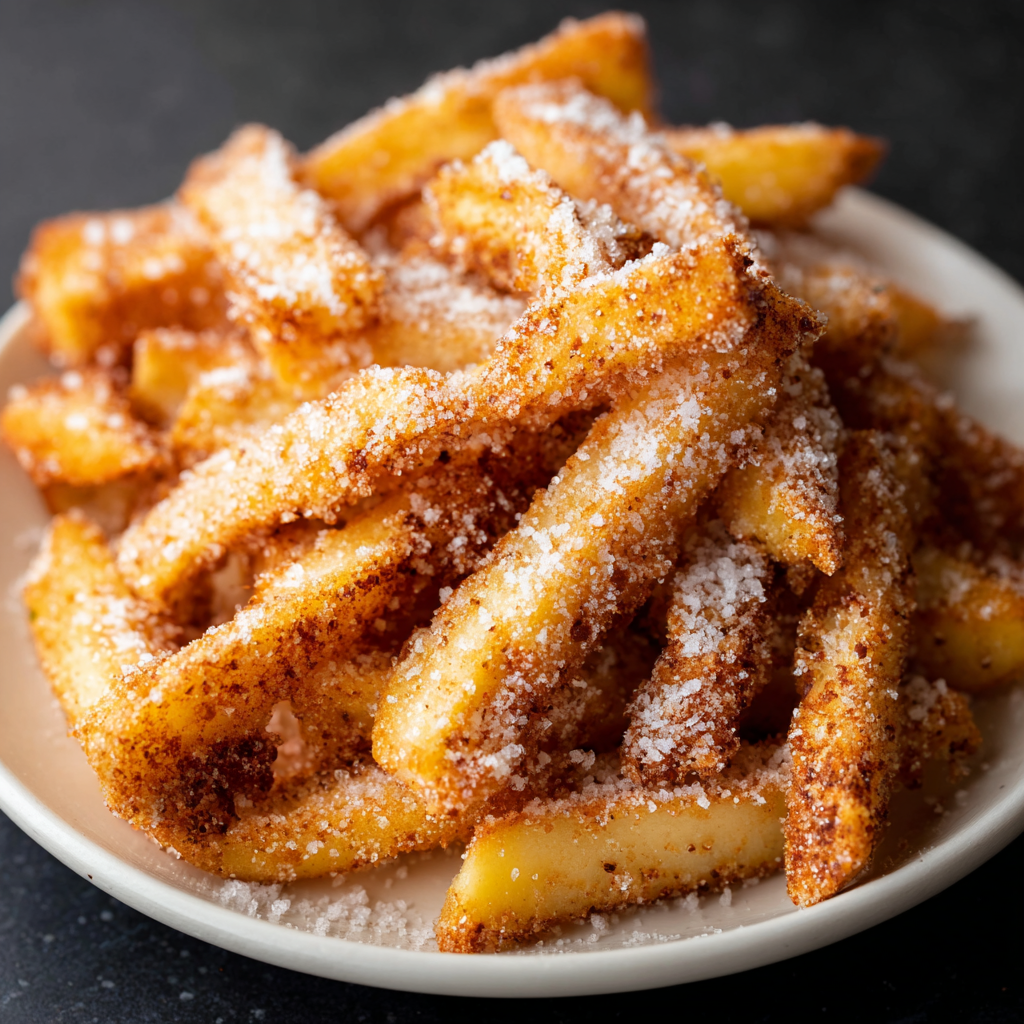
Crispy, cinnamon-sugar coated apple fries made in the air fryer — a quick, family-friendly snack or dessert ready in under 30 minutes.
Leave a comment & rating below or tag @solushcooks on social media!
Enjoyed this recipe? Share it with friends and family, and don't forget to leave a review!
This recipe looks amazing! Can't wait to try it.
Comments are stored locally in your browser. Server comments are displayed alongside your local comments.

Join to receive our email series which contains a round-up of some of our quick and easy family favorite recipes.