>>

A tender, buttery French-style cake with a golden crust and melt-in-your-mouth crumb — simple ingredients, timeless flavor.
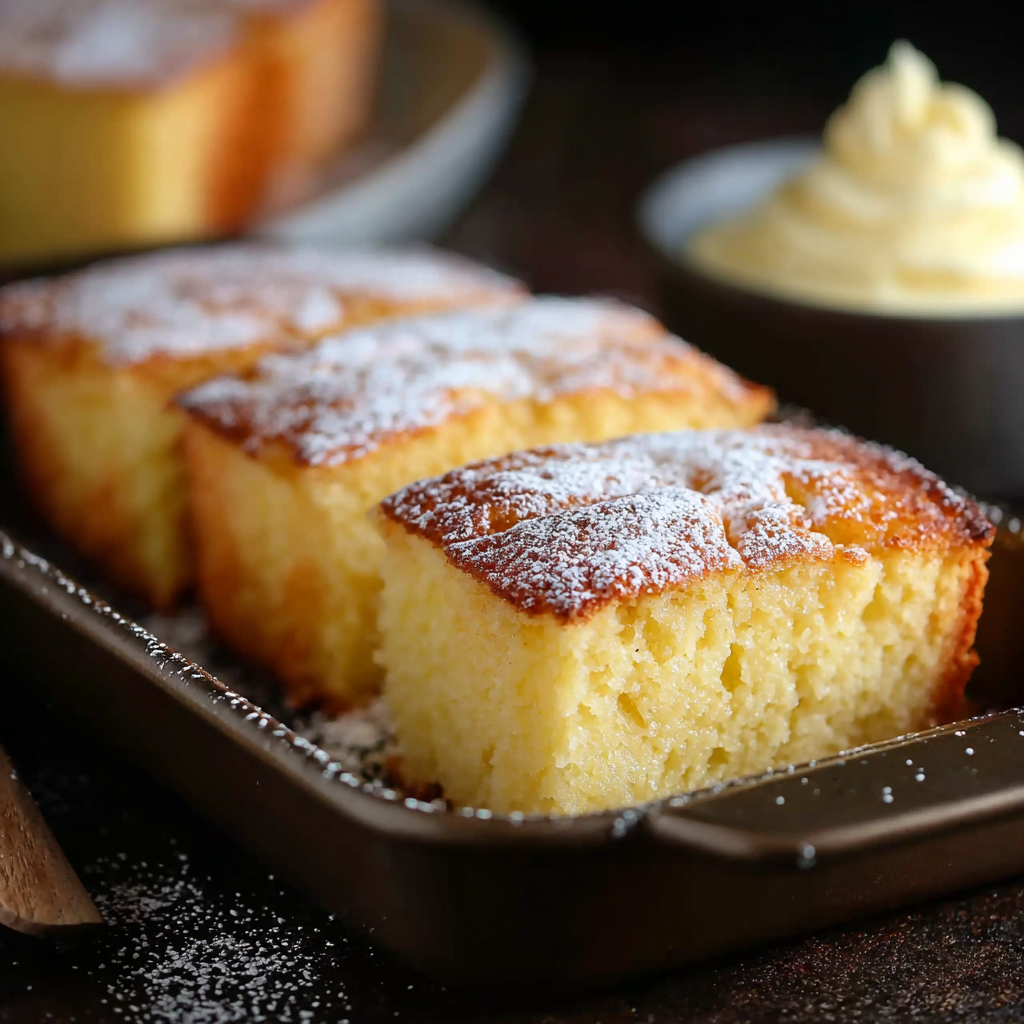
This French butter cake has been a quiet household favorite for years, the kind of recipe I reach for when I want something reliably comforting yet elegant. I first made it on a rainy Sunday, testing a version inspired by small patisseries in Paris: rich butter, a little sugar, and vanilla coming together into a cake that tastes like a warm hug. The crumb is moist and tender, the top develops a thin golden crust, and every bite delivers buttery depth with a gentle vanilla finish. It is unfussy enough for an everyday afternoon coffee and refined enough to bring to a neighbor or family gathering.
I discovered how forgiving and versatile this batter can be after a few experiments with egg temperature, mixing speed, and oven placement. Room-temperature eggs and properly softened butter make all the difference in texture and rise; overbeating after adding flour can lead to a tighter crumb. When done right, the cake slices cleanly, and you can enjoy it plain, dusted with powdered sugar, or alongside seasonal fruit. This version is rooted in classic French technique but written for the home cook: straightforward steps, common pantry ingredients, and clear troubleshooting notes so you get a bakery-quality result without fuss.
My family always responds the same way: silence, then compliments. I remember bringing this to a small dinner and watching my aunt go back for a second slice before anyone else had finished theirs. It’s the kind of cake that invites conversation — simple, honest, and reliably delicious.
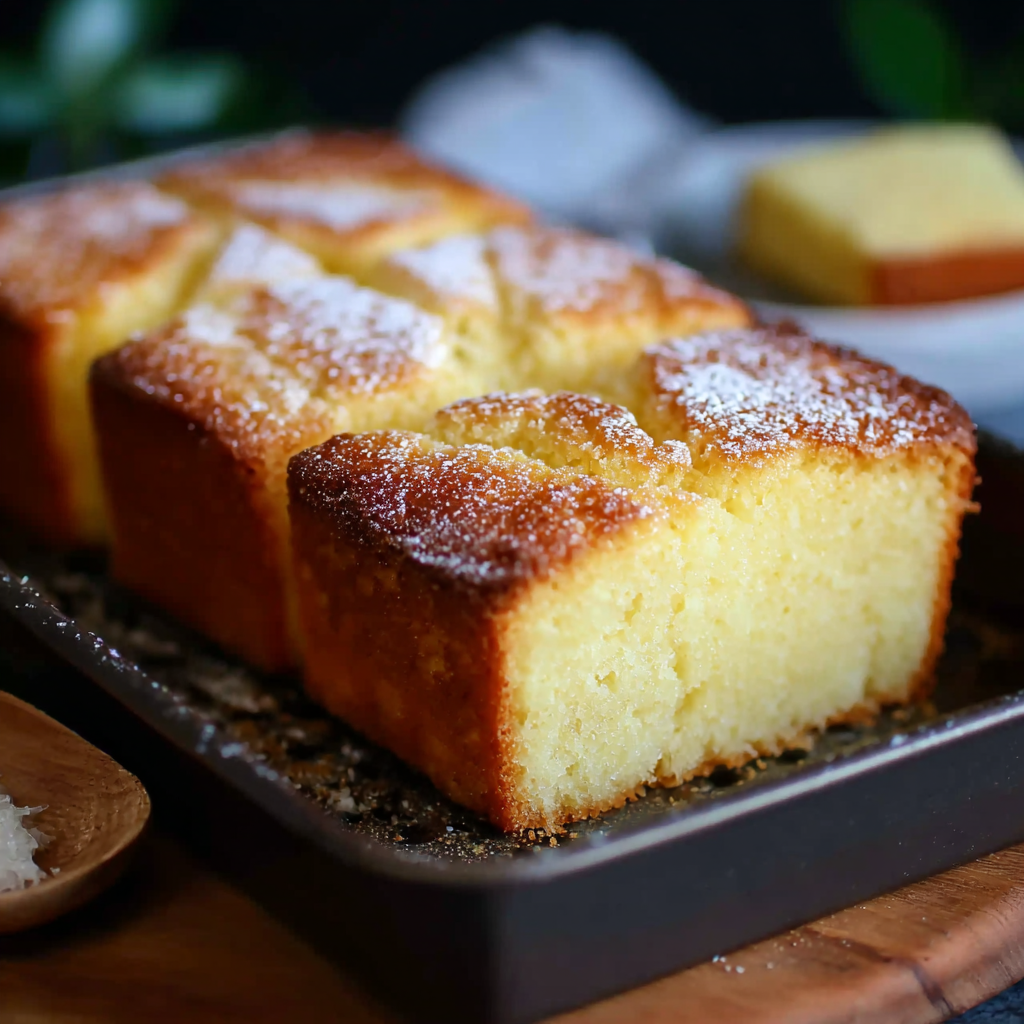
What I love most about this cake is how it rewards small attentions to technique: properly softened butter, gentle mixing after flour, and patient cooling. At holidays I often double the recipe in two pans, and the family debate over who gets the last piece always becomes a highlight. It’s simple comfort that sings when made with care.
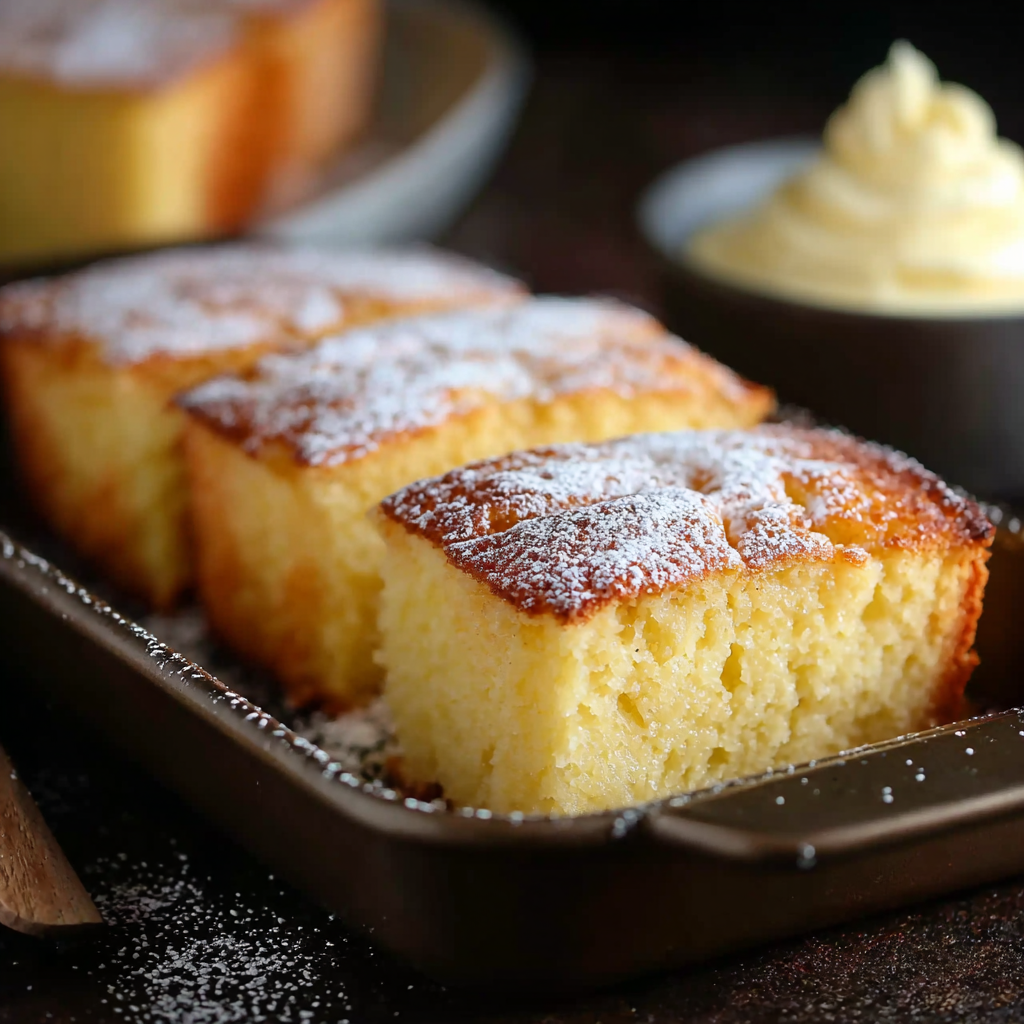
Store the cake at room temperature in an airtight container for up to 48 hours. If your kitchen is warm, refrigerate to preserve freshness and prevent the butter from becoming too soft; bring slices to room temperature before serving for the best texture. For longer storage, slice the cake and wrap each piece tightly in plastic wrap, then place slices in a resealable freezer bag for up to 3 months. Reheat frozen slices gently in a 325°F oven for 8 to 10 minutes or warm briefly in the microwave on medium power to refresh the crumb.
If you want to lighten the recipe, substitute 1/4 cup of the butter with neutral-flavored vegetable oil to retain moisture while reducing saturation from butter. For dairy-free needs, replace butter with a vegan stick butter and use unsweetened almond or oat milk; the texture will be slightly different but still tender. To reduce gluten strength, replace 1/4 to 1/3 of the all-purpose flour with cake flour or pastry flour. If you prefer a less sweet cake, reduce the sugar to 1 1/4 cups, keeping the balance of wet and dry ingredients the same.
Serve slices with a dusting of powdered sugar for a classic look, or pair with lemon curd and lightly whipped cream for a bright contrast. Fresh berries and a spoonful of crème fraîche make an elegant accompaniment for brunch. For an afternoon tea, slice thinly and offer alongside tea or coffee; the buttery flavor pairs particularly well with medium-roast coffee and Darjeeling tea.
This style of butter cake takes cues from French home-style baking — simple, ingredient-focused, and not overly sweet. Unlike multi-layered French patisserie creations, it is an everyday cake reminiscent of what French families might enjoy with afternoon tea or coffee. Variations of butter-rich coffeecakes and pound cakes exist across Europe, and this version strips the concept down to buttery basics with a lightened crumb, bridging classic technique with practical home baking.
Shift the cake’s profile with seasonal toppings: in spring, layer with macerated strawberries; in summer, serve with roasted stone fruit; in autumn, dust with cinnamon sugar and top with lightly caramelized apples; in winter, pair with poached pears and a drizzle of spiced honey. Small changes like adding the zest of one lemon or orange to the batter can make the same base feel new and seasonally appropriate.
To prepare ahead for a gathering, bake the cake the day before, cool completely, and keep well wrapped at room temperature. Slice just before serving for the cleanest presentation. If transporting, place the cake on a flat board inside a cake carrier and secure with non-slip liner. For individual portions ideal for lunches or coffee breaks, pre-slice and wrap each piece; frozen slices can be individually reheated as needed.
Every time I bake this, the house fills with butter and vanilla — small sensory cues that make people pause and return. It’s a straightforward recipe that teaches reliable technique and rewards you with consistent, comforting results. Make it your own and enjoy sharing it with the people you love.
Always bring eggs and butter to room temperature before starting to ensure a smooth emulsion and good rise.
Cream butter and sugar until pale and fluffy to trap air that gives the cake lift and tenderness.
Add flour gradually and mix on low speed; stop as soon as the dry ingredients are incorporated to avoid overdeveloping gluten.
Rotate the pan halfway through baking if your oven has uneven heat to ensure even browning.
Cool the cake in the pan for 10 to 15 minutes before removing to prevent cracking and sticking.
This nourishing classic french butter cake recipe is sure to be a staple in your kitchen. Enjoy every moist, high protein slice — it is perfect for breakfast or as a wholesome snack any time.
Yes. The cake freezes well for up to 3 months when wrapped tightly. Thaw at room temperature and warm slightly before serving.
Use room-temperature eggs and softened (not melted) butter. Do not overbeat after adding flour to avoid a dense texture.
This Classic French Butter Cake recipe makes perfectly juicy, tender, and flavorful steak every time! Serve with potatoes and a side salad for an unforgettable dinner in under 30 minutes.
Preheat oven to 350°F (175°C). Grease a 9-inch cake pan and line the bottom with parchment paper for easy release.
Beat softened butter and sugar for 3 to 5 minutes until pale and fluffy to incorporate air for lift.
Add eggs one at a time, mixing 20 to 30 seconds after each to keep the mixture emulsified and stable.
Stir in vanilla extract, scraping the bowl to ensure even distribution of flavor.
Whisk flour, baking powder, and salt in a separate bowl to evenly distribute leavening before adding to the wet mix.
Add the dry ingredients on low speed and mix just until no flour streaks remain to avoid toughening the crumb.
Stir in milk until smooth, pour into the prepared pan, and bake 40 to 50 minutes until golden and a toothpick comes out clean.
Cool in the pan 10 to 15 minutes, invert onto a wire rack, cool completely, and dust with powdered sugar or serve plain.
Last Step: Please leave a rating and comment letting us know how you liked this recipe! This helps our business to thrive and continue providing free, high-quality recipes for you.
Leave a comment & rating below or tag
@solushcooks on social media!

Crispy, golden pockets of melted mozzarella and pepperoni made in the air fryer for a quick party snack or weeknight treat.

Crispy, light rice paper rolls filled with vermicelli, vegetables and tofu or shrimp, finished in the air fryer for a healthy, snackable treat.
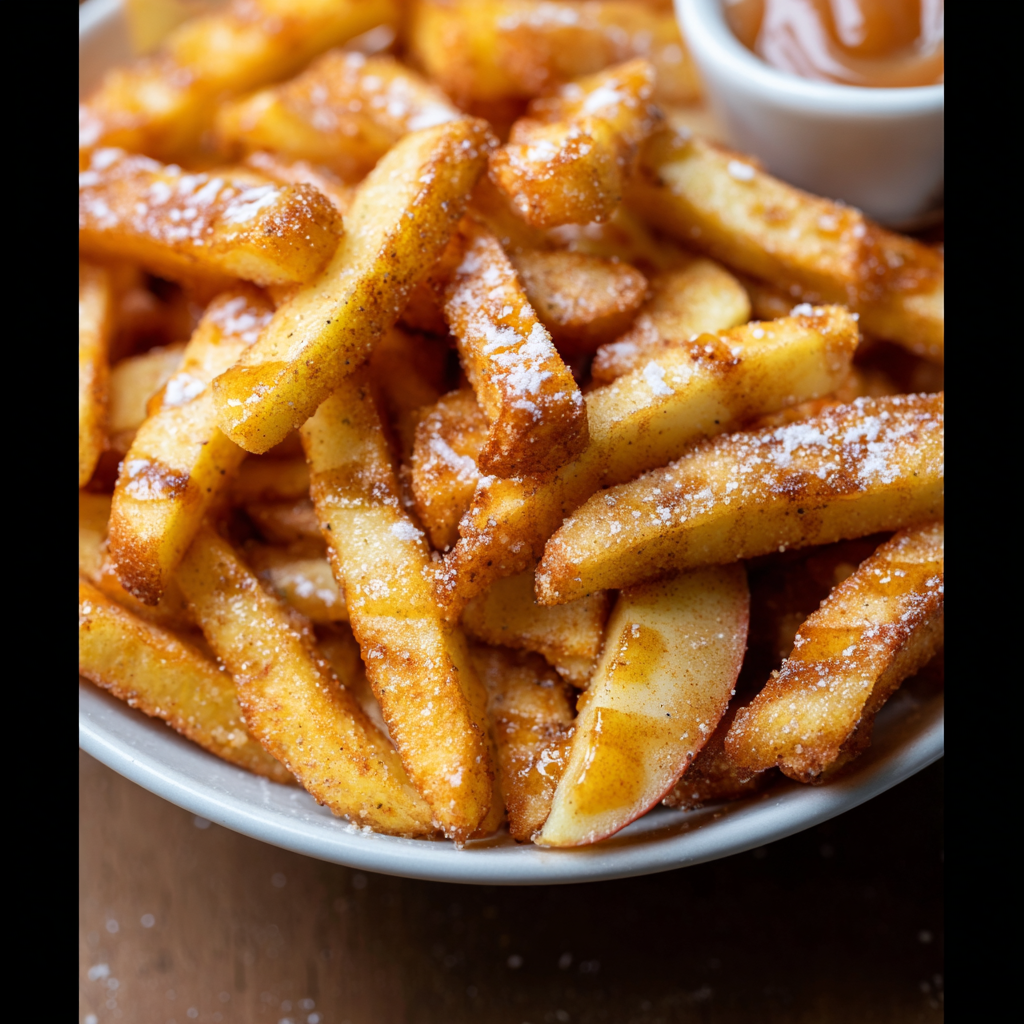
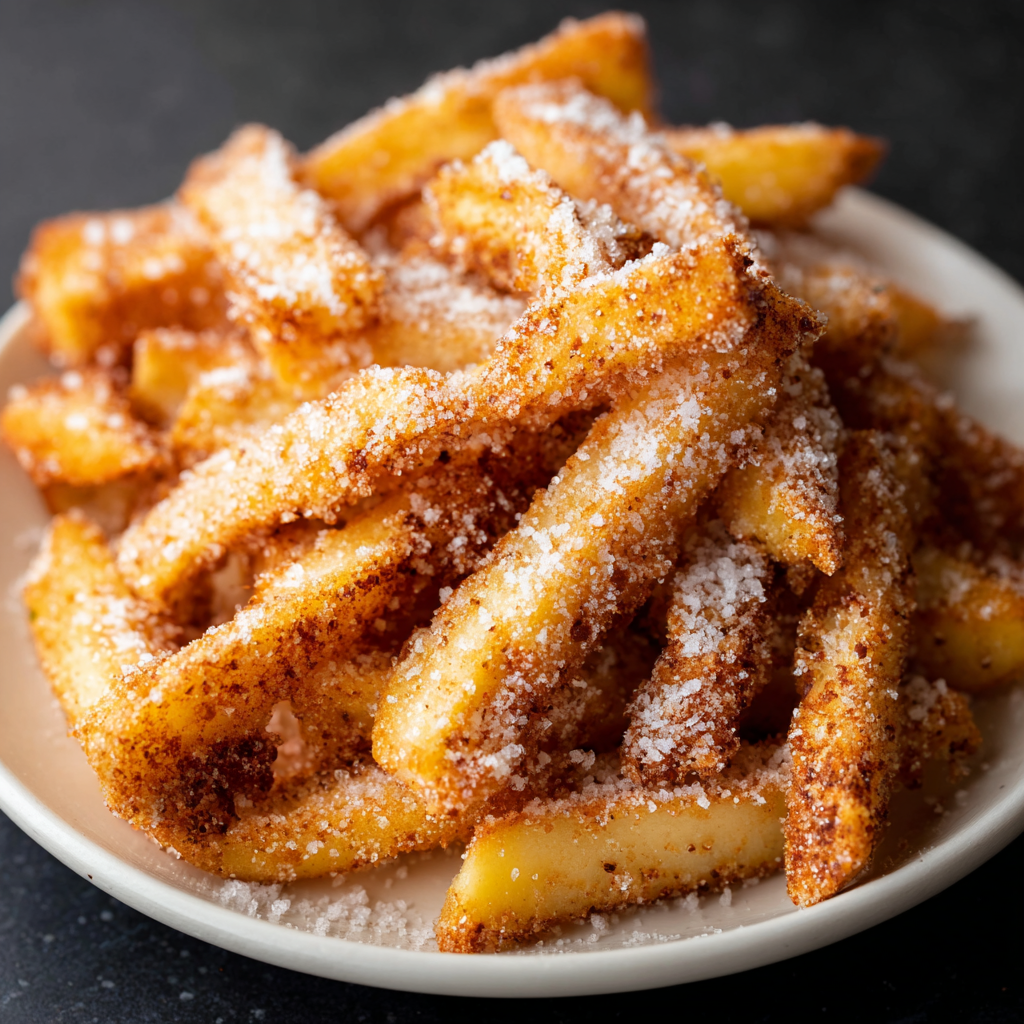
Crispy, cinnamon-sugar coated apple fries made in the air fryer — a quick, family-friendly snack or dessert ready in under 30 minutes.
Leave a comment & rating below or tag @solushcooks on social media!
Enjoyed this recipe? Share it with friends and family, and don't forget to leave a review!
This recipe looks amazing! Can't wait to try it.
Comments are stored locally in your browser. Server comments are displayed alongside your local comments.

Join to receive our email series which contains a round-up of some of our quick and easy family favorite recipes.